
“Looking for the best VPN services for your individuals and businesses, then first check whether the VPN is legal or not?”
In today’s digital world, many movies and shows are available for free online. However, some of these sites are blocked by internet providers (ISPs) or are restricted to certain countries.
To get around these blocks and access restricted content, many people use a VPN (Virtual Private Network). A VPN makes it look like you’re in a different location, helping you access content that might otherwise be unavailable.
In this digital era, almost all things are free on the internet, as long as most of the things are restricted due to security reasons, and some countries have strict rules or outright bans on VPNs, or on using them to access certain content. To watch movies and shows online, many websites and apps offer free entertainment content, but some websites require to use of a VPN because such sites are restricted or blocked by ISPs. To get around these blocks and access restricted content, many people use a VPN (Virtual Private Network). A VPN makes it look like you’re in a different location, helping you access content that might otherwise be unavailable.
Nowadays, VPN is an essential thing for users, because without a VPN to access a restricted website is not possible, even if youre accessing restricted content without any precaution, then you may face legal consequences.
If you’re looking to bypass internet restrictions and unlock content unavailable in your region, a Virtual Private Network (VPN) is likely on your radar. But before you dive in, it’s crucial to understand the what is exactly VPN.
What Exactly is a VPN?
A VPN (Virtual Private Network) is like a secure, private tunnel for your internet connection.
Hides Your Real Location: When you connect to a VPN, your internet traffic goes through a server in a different location (which you choose). This makes it look like you’re browsing from that server’s location, not your actual one.
Encrypts Your Data: All your online activity (what websites you visit, what you type, etc.) is scrambled into a secret code. This makes it unreadable to anyone trying to snoop on your connection, like your internet provider, hackers, or even governments.
Access blocked content: You can bypass restrictions and view websites or services only available in certain countries.
Stay secure: Your data is protected, especially on public Wi-Fi.
Countries where the VPN is restricted
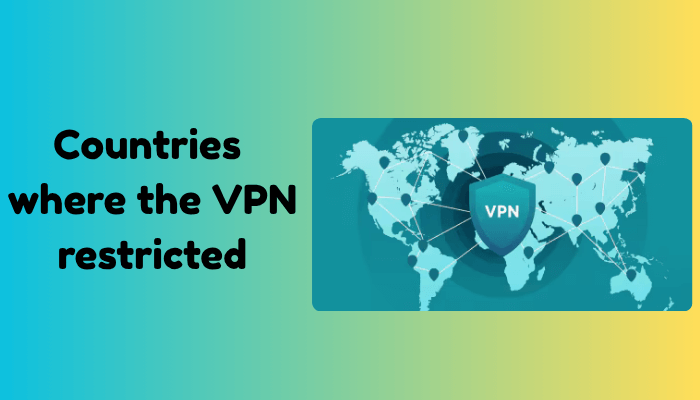
While VPNs are legal and widely used in most parts of the world (including the USA, Canada, the UK, most of Europe, and many other countries), there’s a distinct group of nations where their use is either banned or heavily controlled.
Here’s a breakdown of countries where VPNs face significant restrictions, categorized by the severity of those restrictions:
| Countries | VPN |
| UK | Completely legal |
| USA | Completely legal |
| India | Legal, but must collect and store extensive user data for at least five years. |
| Belarus | Banned |
| Russia | Individuals and businesses must register their VPN usage with the PTA. |
| China | Only VPN that are licensed and approved by the government. |
| Pakistan | Legal, but users need to get permission the usage of VPN |
| Germany | Completely legal |
| France | Completely legal |
| North Korea | Completely illegal |
| Australia | Completely legal |
| Japan | Completely legal |
| UAE | Not outright illegal |
What are the consequences of using a VPN if it’s not legal?
If you use a VPN in a country where it’s not legal or is heavily restricted, you can face a range of serious consequences.
Here are the major consequences you might face:
- Fines: This is one of the most common penalties. The amount can vary drastically, from a few hundred dollars to hundreds of thousands of dollars.
- Imprisonment: Using an unauthorized VPN, especially for accessing politically sensitive or illegal content, can lead to jail time. This is a real risk in countries like North Korea, Iraq, Iran, and Belarus.
- Internet Disconnection/Blocking: Your internet provider (ISP) could temporarily or even permanently stop your service.
- Device Confiscation: Authorities might seize your device, like a phone, laptop, or tablet, and they will delete your VPN apps or even install spying software on it to keep on you.
Are VPN legal to use?
Yes, VPN is legal to use in most countries, but some countries have their own rules and regulations about VPN. So I advise you to check the local law of the VPN and then use it without any trouble.
What VPN offer and how it works?
A VPN (Virtual Private Network) is a service that creates a secure, encrypted connection over the internet, like a private tunnel.
What a VPN offers:
- Privacy: Hides your real location (IP address) and keeps your online activities private from your internet provider, advertisers, and websites.
- Security: Encrypts all your data, protecting it from hackers, especially on public Wi-Fi.
- Access: Lets you get around restrictions to view content or services blocked in your country.
- Safe Remote Work: Allows businesses to connect employees securely to their office network from anywhere.
How it works:
- You connect to a VPN server: Instead of connecting directly to the internet, your device first connects to a special server run by your VPN provider, usually through a VPN app.
- Your data is encrypted: All your internet traffic (what you’re sending and receiving) is scrambled into code, making it unreadable to anyone trying to snoop.
- Your traffic goes through the server: This encrypted data travels through a “tunnel” to the VPN server you chose.
- The server sends your data to the internet: The VPN server then decrypts your data and sends it on to the website or service you want to reach. The website sees the VPN server’s IP address, not yours.
- Data returns securely: Any information coming back to you goes through the VPN server, is encrypted, and then sent back through the tunnel to your device, where it’s decrypted.
Why Some Countries Restrict or Ban VPNs
VPNs are legal in the vast majority of countries worldwide. However, there are mnay reasons why these specific countries ban or heavily restrict VPNs are almost always tied to government control, censorship, and surveillance.
Censorship: Governments use VPN bans to prevent citizens from accessing banned websites, foreign news, or social media platforms that challenge state narratives. This helps them control information flow and public opinion.
Surveillance: VPNs encrypt internet traffic, making it difficult for authorities to monitor online activities. Banning them allows governments to more easily track individuals and detect perceived threats.
National Security: Governments often claim VPNs are used by criminals, terrorists, or for illicit activities, justifying bans as a measure to combat crime and protect national security.
Economic Control: In some cases, VPNs can undermine state-owned telecom monopolies (e.g., by allowing free VoIP calls) or bypass taxes on online services.
Suppressing Dissent: During times of unrest, VPN restrictions can prevent citizens from organizing or communicating freely, helping to maintain government control.
Is It Legal to use a VPN if youre blocked or banned in youre region?
Several websites, like streaming platforms, online games, or region-specific websites, check your IP address to determine you’re geographical location. If they found the IP address belongs to the country where the content isn’t licensed, then they block access to the content.
So in this situation, VPN plays its role by providing a secure tunnel, which provides access to the platforms or sites that are blocked in the region/country. To use VPN, just simply use the reliable VPN services that provide 100% anonymity. When you use a VPN, you pick a server in another country. Your internet traffic then goes through that server.
Example: If you’re in India and want to watch a show only available on US Netflix, you connect to a VPN server in the USA. Netflix then sees a US IP address and grants you access.
Basically, A VPN’s main use in bypassing restrictions is to act like a secure, private internet detour.
How To Choose a VPN?
Before getting started with VPN, it’s important to know how to choose a VPN If you choose the wrong VPN, you might get in trouble. That’s why I will guide you to choose a reliable and secure VPN service for your security.
Privacy
Privacy is a critical factor affecting your online activity. Without it, your every click, search, and stream can be monitored and analyzed.
Anonymously:
VPN helps you to hide youre online activity and keep your internet surfing private without knowing anyone, so choose the VPN that gives you 100% anonymity.
No-Logs Policy:
Choose the VPN that doesn’t store any data of users, such as personal names, phone numbers, addresses, and bank details. So the No-log feature prevents you from online threats.
Hide your IP address:
When you surf on the internet, you’re IP address, visible to the internet provider, so that they can view your online activity and what youre doing on it.
Bypass Restrication:
VPN is effective at bypassing restrictions, which is a crucial point when choosing a service. A good VPN for this purpose needs to do more than just change your IP address; it must be able to actively counter the blocking methods employed by governments, ISPs, and content providers.
Is VPN legal for Business and educational purposes?
VPN is not limited to streaming, but it has many purposes, like you can use it for businesses and the educational sector too. When it comes to the business, it allows employees to access internal applications, confidential files, shared databases, and other resources as if they were physically in the office. This is vital for cybersecurity, as it prevents sensitive company data from being exposed on unsecured public Wi-Fi networks. However, the use of the VPN for Business is legal.
On the other hand, educational institutions handle a vast amount of sensitive data, which makes them a prime target for cyberattacks. This data includes: Grades, academic history, financial aid information, and personal details. In this case, VPN, creates a secure, encrypted tunnel for data moving between a user’s device and the school’s network. This is crucial for keeping sensitive data confidential and unreadable to hackers or other unauthorized parties.
Frequently asked questions about VPN
Is VPN legal in India?
Yes, VPN is legal in India, but there are new government directives to mandate that all data centers, cloud service providers collect and store extensive user data for five years or more.
In which countries VPN is illegal?
Several countries have a VPN ban, like Iraq, Belarus, North Korea, and Turkmenistan. On the other hand, in some countries, using a VPN without government permission is also illegal.
Can I be caught by the Government agencies if I use the VPN illegally?
There are chances, if you are in countries where VPNs are banned or heavily restricted, the government has the legal authority and technical capability to enforce those laws. However, I suggest you don’t use the VPN if it’s illegal.
Is it legal to use a VPN for streaming?
It may or may not be, it depends on the country where you are accessing the website. Most countries allow you to access the streaming websites with a VPN, but if there is use of a VPN is illegal, then we must say it’s not legal in any way.
Can I use VPN for Netflix and Prime Video?
In most countries where VPNs are legal, you can use the VPN, but you need to check the “Terms of Service” (ToS) of both Netflix and Prime Video, which state you should not use technology to “disguise or obscure” your location. Using a VPN directly violates these terms.
Summery
VPN is legal, but if you use the right place and legal way, there are certain rules where you can not access the VPN and youre use it, then you will face the legal consequences. Government supports VPN for security and privacy. If you commit an illegal act while using a VPN (e.g., hacking, buying illegal goods, or spreading malware), the VPN offers no legal protection from prosecution. The crime is what the government goes after, not the fact that you used a VPN. In this summary, I must say that before using a VPN, it is essential to know the local regulations to avoid facing legal consequences.